

When it comes to shopping for car insurance, avoiding common online scams is crucial. This article dives into the world of online scams in the car insurance industry, shedding light on red flags and providing tips for a safe shopping experience.
Introduction to Common Online Scams when Shopping for Car Insurance
Online scams in the context of shopping for car insurance refer to fraudulent activities carried out by individuals or organizations to deceive consumers into purchasing fake or invalid insurance policies. These scams often result in financial loss for the victims and can have serious legal implications.
Online scams are prevalent in the car insurance industry due to the increasing reliance on digital platforms for purchasing insurance. The anonymity provided by the internet makes it easier for scammers to create fake websites or advertisements that appear legitimate, tricking unsuspecting individuals into sharing personal and financial information.Statistics show that online scams related to car insurance are on the rise, with a significant number of consumers falling victim to these fraudulent schemes each year.
According to a report by the Insurance Bureau of Canada, there has been a 15% increase in online insurance scams in the past year alone, highlighting the need for consumers to be vigilant when shopping for car insurance online.
Identifying Red Flags in Online Car Insurance Quote Offers
When shopping for car insurance online, it's important to be vigilant and watch out for red flags that could indicate potential scams. Here are some common warning signs to be aware of:
Offering Unbelievably Low Rates
One red flag to look out for is when a car insurance quote offers rates that are significantly lower than the average market price. Scammers may lure customers in with these unrealistically low rates, only to increase them later on or provide subpar coverage.
Requesting Personal Information Upfront
If a car insurance quote asks for a large amount of personal information right at the beginning of the process, be cautious. Scammers often use this tactic to gather sensitive data that can be used for identity theft or other fraudulent activities.
Pressure Tactics and Limited-Time Offers
Be wary of quotes that pressure you to make a quick decision by claiming limited-time offers or discounts. Scammers often use these tactics to rush customers into purchasing a policy without fully understanding the terms and conditions.
Unsolicited Emails or Calls
If you receive unsolicited emails or phone calls offering car insurance quotes, proceed with caution. Legitimate insurance companies typically do not engage in aggressive marketing tactics like cold calling or spam emails.
Misspelled Words or Poor Grammar
Keep an eye out for car insurance quotes that contain numerous spelling errors or grammatical mistakes. Scammers often overlook these details, which can be a clear indication of a fraudulent offer.
Tips for Safely Shopping for Car Insurance Quotes Online
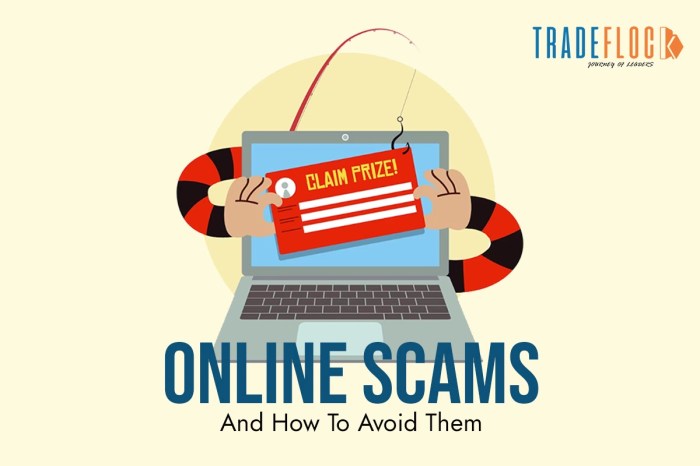
When shopping for car insurance quotes online, it is crucial to take precautions to avoid falling victim to scams or fraud. Here are some tips to help you navigate online platforms safely and protect your personal information:
Verify the Credibility of Insurance Providers
Before sharing any personal information or purchasing a car insurance policy online, it is essential to verify the credibility of the insurance provider. Look for reviews, ratings, and customer feedback to ensure that the company is legitimate and trustworthy.
- Check if the insurance provider is licensed in your state to offer car insurance.
- Research the company's reputation and financial stability to assess their ability to fulfill claims.
- Avoid providing sensitive personal information, such as your social security number, until you are certain of the provider's legitimacy.
Utilize Tools and Resources to Avoid Scams
There are several tools and resources available to help consumers avoid falling for online scams when shopping for car insurance quotes. Take advantage of these resources to protect yourself from fraudulent activities:
- Use comparison websites to compare quotes from different insurance providers and identify any discrepancies or suspicious offers.
- Consider using insurance regulators' websites or consumer protection agencies to verify the authenticity of insurance providers and policies.
- Be cautious of unsolicited emails or messages offering extremely low insurance rates, as they may be phishing attempts to steal your personal information.
Case Studies
In this section, we will look at real-life examples of individuals who fell victim to online car insurance scams. By analyzing these cases, we can understand the tactics scammers use and learn valuable lessons to avoid falling into similar traps.
Case 1: Fake Insurance Website
- A young driver searching for affordable car insurance came across a website offering extremely low rates.
- After providing personal information and payment details, the driver never received any policy documents.
- Outcome: The website was a scam, and the driver lost both money and sensitive information.
- Lesson Learned: Always verify the legitimacy of insurance websites and never provide payment information without confirmation.
Case 2: Phishing Emails
- An individual received an email claiming to be from a well-known insurance company, offering a discount on car insurance.
- The email contained a link to a fake website where the victim was asked to enter personal and financial information.
- Outcome: The scammer stole the victim's identity and used it for fraudulent purposes.
- Lesson Learned: Be cautious of unsolicited emails and always double-check the sender's information before clicking on any links.
Case 3: Upfront Payment Scam
- A senior citizen looking for car insurance online was contacted by a fraudulent agent offering a policy with a significant discount.
- The agent requested an upfront payment via wire transfer, promising to send the policy documents later.
- Outcome: The victim never received any documents, and the scammer disappeared with the money.
- Lesson Learned: Avoid making upfront payments for insurance policies without verifying the authenticity of the agent and the company.
Final Thoughts
In conclusion, staying vigilant and informed is key to steering clear of online scams when shopping for car insurance. By being aware of the red flags and following the recommended tips, you can safeguard yourself from falling into deceptive traps.
Frequently Asked Questions
What are common red flags to watch out for when receiving online car insurance quotes?
Common red flags include offers that seem too good to be true, requests for sensitive personal information upfront, and unclear terms and conditions.
How can I verify the credibility of insurance providers before sharing personal information?
You can verify the credibility of insurance providers by checking their licensing, reading reviews from other customers, and contacting relevant regulatory bodies for confirmation.


