

Altium Auto Route vs Manual Routing: Which Is Better for Automotive PCBs? sets the stage for this enthralling narrative, offering readers a glimpse into a story that is rich in detail with casual formal language style and brimming with originality from the outset.
This article explores the key differences and considerations between Altium Auto Route and Manual Routing in the context of Automotive PCB design, shedding light on the optimal routing method for achieving efficient and effective results.
Introduction
Altium Auto Route and Manual Routing are two primary methods used in designing Automotive PCBs. Altium Auto Route is an automated process where the software determines the most efficient paths for the traces on the PCB, while Manual Routing involves the designer manually selecting and routing the traces.
Choosing the right routing method is crucial in ensuring the functionality, efficiency, and reliability of the automotive PCB.
Significance of Altium Auto Route and Manual Routing
Altium Auto Route:
- Automated process for tracing paths on the PCB.
- Speeds up the routing process and reduces design time.
- May not always provide the most optimal results for complex PCB layouts.
Manual Routing:
- Gives the designer full control over trace routing.
- Allows for customization and optimization of trace paths based on specific design requirements.
- Time-consuming compared to Auto Route but offers more flexibility and precision.
Choosing between Altium Auto Route and Manual Routing depends on the complexity of the automotive PCB design and the level of control and customization needed.
Altium Auto Route
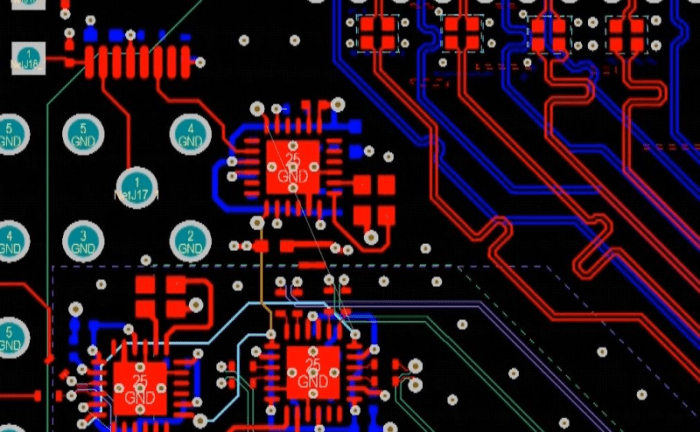
Altium Auto Route is a feature in the Altium Designer software that automatically routes connections between components on a PCB layout based on user-defined design rules. This automated routing tool can significantly reduce the time and effort required to route complex PCB designs.
Functionality of Altium Auto Route
- Automatically routes connections between components based on user-defined design rules.
- Optimizes the routing paths to minimize signal interference and ensure signal integrity.
- Provides options for interactive routing to allow manual adjustments during the routing process.
Scenarios where Altium Auto Route is Beneficial
- When dealing with complex PCB designs with numerous components and connections.
- For designs that require precise routing to meet signal integrity requirements.
- In situations where time constraints necessitate faster routing solutions.
Advantages and Limitations of Using Altium Auto Route for Automotive PCBs
Advantages:
- Efficiency: Reduces routing time significantly, especially for designs with high component density.
- Consistency: Ensures consistent routing based on specified design rules, reducing the risk of human error.
- Signal Integrity: Optimizes routing paths to maintain signal integrity and minimize electromagnetic interference.
Limitations:
- Complexity: May struggle with highly complex routing requirements or specific design constraints.
- User Control: Limited control over routing decisions compared to manual routing, which may be necessary for certain design considerations.
- Learning Curve: Requires familiarity with the software and design rules to effectively utilize the auto-routing feature.
Manual Routing
Manual routing in PCB design involves the process of manually connecting components on a circuit board by drawing traces between them. This method requires designers to determine the optimal path for each connection based on factors like signal integrity, electromagnetic interference, and manufacturing constraints.
Precision and Customization
- Manual routing allows for precise control over trace length, width, and routing topology, which can help optimize signal integrity and reduce electromagnetic interference.
- Designers have the flexibility to customize routing paths according to specific design requirements, such as high-speed signal routing, power delivery, or thermal management.
- Manual routing enables designers to implement complex routing strategies, like differential pairs or controlled impedance routing, with greater accuracy and efficiency.
When Manual Routing is Preferred
- Manual routing is preferred over automated routing when dealing with high-speed signals that require careful impedance matching and signal integrity considerations.
- In complex automotive PCB designs where strict EMI/EMC requirements need to be met, manual routing allows designers to fine-tune trace routing to minimize interference and ensure reliable performance.
- For designs with specific manufacturing constraints or form factor limitations, manual routing provides the flexibility to create optimized routing solutions tailored to the project's unique requirements.
Considerations for Automotive PCBs
When it comes to designing PCBs for automotive applications, there are specific considerations that need to be taken into account. Signal integrity, EMI/EMC, and thermal management play crucial roles in determining whether to use Altium Auto Route or Manual Routing for automotive PCBs.
Let's delve into the impact of these factors and explore design challenges unique to automotive PCBs that influence routing decisions.
Signal Integrity
Signal integrity is paramount in automotive PCB design to ensure that signals are transmitted accurately and reliably. Factors such as impedance matching, signal crosstalk, and signal reflections can greatly affect the performance of the PCB. Manual routing allows for more control over signal paths and lengths, which can help mitigate signal integrity issues compared to auto routing.
EMI/EMC
Electromagnetic interference (EMI) and electromagnetic compatibility (EMC) are critical considerations in automotive PCB design due to the high level of electrical noise present in vehicles. Proper routing techniques can help reduce EMI emissions and improve EMC performance. Manual routing provides the flexibility to carefully route sensitive signals away from noise sources and implement shielding techniques effectively.
Thermal Management
Automotive PCBs are often subjected to harsh operating conditions, including high temperatures. Effective thermal management is essential to prevent overheating and ensure the reliability of the PCB. Manual routing allows designers to optimize copper pour areas, vias, and component placement for efficient heat dissipation, which may be more challenging to achieve with auto routing.
Design Challenges
Automotive PCBs face unique challenges such as vibration, mechanical stress, and exposure to moisture and chemicals. These factors can impact the reliability and performance of the PCB, making routing decisions critical. Manual routing offers the precision and customization needed to address these challenges and design a robust PCB that can withstand the harsh automotive environment.
Best Practices
When it comes to optimizing PCB routing for automotive applications, whether using Altium Auto Route or manual routing, there are certain best practices to keep in mind. These practices can help ensure efficient and effective routing that meets the specific requirements of automotive PCB designs.
Optimizing Altium Auto Route Settings for Automotive PCBs
- Adjust the design rules: Customize design rules to align with automotive PCB requirements, such as trace width, spacing, and impedance control.
- Use the interactive routing mode: Take advantage of Altium's interactive routing mode to manually route critical nets while still benefiting from the automation of the Auto Route feature.
- Utilize differential pair routing: Enable the use of differential pair routing to ensure signal integrity for high-speed automotive applications.
- Fine-tune routing strategies: Experiment with different routing strategies within Altium Auto Route to find the optimal configuration for automotive PCB designs.
Efficient Manual Routing Strategies in Complex Automotive PCB Designs
- Plan routing paths in advance: Before starting manual routing, plan out critical signal paths and power distribution to minimize signal interference and optimize performance.
- Group related components: Cluster related components together to reduce trace lengths and simplify routing, enhancing signal integrity and reducing EMI.
- Use routing via stitching: Implement via stitching to connect multiple signal layers efficiently and reduce signal distortion in complex automotive PCB layouts.
- Employ length tuning techniques: Fine-tune trace lengths using length matching techniques to ensure signal synchronization in high-speed automotive applications.
Balancing Automation and Manual Intervention for Optimal PCB Routing Results
- Start with automation: Begin by using Altium Auto Route to quickly establish initial connections and optimize basic routing paths, then switch to manual routing for critical nets and complex signal routing.
- Iterate and refine: Continuously iterate between automation and manual intervention to refine the routing layout, adjusting design rules and strategies as needed to meet automotive PCB requirements.
- Focus on signal integrity: Prioritize signal integrity throughout the routing process, using a combination of automation and manual routing to ensure optimal performance and reliability in automotive PCB designs.
- Seek feedback and validation: Collaborate with colleagues or utilize signal integrity analysis tools to validate the routing layout and make necessary adjustments for optimal signal quality and performance.
Last Word
In conclusion, the debate between Altium Auto Route and Manual Routing for Automotive PCBs is nuanced, with each method offering unique advantages and considerations. By understanding the intricacies of both approaches, designers can make informed decisions that enhance the performance and reliability of their PCB designs.
Query Resolution
What is Altium Auto Route?
Altium Auto Route is a feature in the Altium Designer software that automatically determines the optimal routing path for PCB traces.
When should Manual Routing be preferred over Altium Auto Route for Automotive PCBs?
Manual Routing is often preferred when intricate customization and precise control over the routing paths are necessary, especially in scenarios where signal integrity is critical.
How does signal integrity impact the choice between Altium Auto Route and Manual Routing for Automotive PCBs?
Signal integrity considerations often influence the routing method choice, as maintaining signal quality and minimizing interference are crucial in automotive applications.
What are some design challenges unique to Automotive PCBs that affect routing decisions?
Design challenges such as EMI/EMC compliance, thermal management, and space constraints in automotive environments play a significant role in shaping routing decisions.
How can designers optimize Altium Auto Route settings for Automotive PCBs?
Designers can optimize Altium Auto Route settings by adjusting parameters like trace widths, routing topologies, and clearance constraints to meet the specific requirements of automotive PCB designs.


