

Embarking on a home remodel journey involves many decisions, and one crucial choice is selecting the best flooring. From durability to style and budget considerations, the flooring you choose can significantly impact the overall look and feel of your space.
Let's delve into the world of flooring options and discover what makes them ideal for your home remodel project.
Consideration Factors
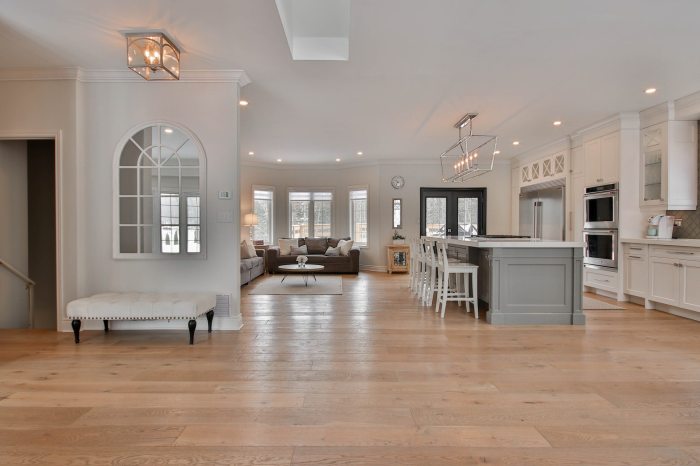
When choosing the best flooring for a home remodel, it is crucial to consider various factors such as durability, style, and budget. These factors play a significant role in ensuring that the flooring not only meets your practical needs but also enhances the overall look and feel of your home.It is important to select a flooring material that can withstand the wear and tear of high traffic areas, such as the living room or kitchen.
Materials like hardwood or laminate are great options for these spaces as they are durable and easy to maintain. On the other hand, for moisture-prone areas like bathrooms or basements, vinyl or tile flooring would be more suitable due to their water-resistant properties.In addition to functionality, the flooring you choose should also complement the design aesthetic of your home.
For a modern and sleek look, you might opt for a polished concrete or porcelain tile flooring. Alternatively, if you prefer a more traditional feel, hardwood or carpet flooring would be a better fit. Ultimately, selecting flooring that aligns with the overall style of your home can help create a cohesive and visually appealing space.
Popular Flooring Options
When it comes to choosing the right flooring for your home remodel, there are several popular options to consider. Each type of flooring material has its own set of pros and cons, so it's important to weigh these factors carefully before making a decision.
Hardwood Flooring
Hardwood flooring is a classic choice that adds warmth and elegance to any room. It is durable and can last for decades with proper maintenance. However, hardwood flooring can be expensive to install and may require refinishing over time to maintain its appearance.
Laminate Flooring
Laminate flooring is a cost-effective alternative to hardwood that mimics the look of wood at a fraction of the cost. It is easy to install and maintain, making it a popular choice for homeowners on a budget. However, laminate flooring is not as durable as hardwood and may need to be replaced sooner.
Vinyl Flooring
Vinyl flooring is a versatile and affordable option that comes in a variety of styles, including wood and stone looks. It is easy to clean and resistant to moisture, making it ideal for kitchens and bathrooms. However, vinyl flooring can be prone to scratching and may not add as much value to your home as other flooring types.
Tile Flooring
Tile flooring is a durable and low-maintenance option that is perfect for high-traffic areas like kitchens and bathrooms. It comes in a wide range of colors and patterns, allowing you to create a custom look for your home. However, tile flooring can be cold underfoot and may crack or chip if not installed properly.
Carpet Flooring
Carpet flooring is a comfortable and cozy option that provides insulation and noise reduction in a room. It comes in a variety of colors and textures to suit any decor style. However, carpet can be difficult to clean and may trap allergens and dust, making it less ideal for people with allergies.
Flooring Installation
When it comes to flooring installation, proper preparation and the right tools are essential for a successful outcome. Whether you choose to hire professionals or tackle the installation yourself will depend on the complexity of the flooring material and your level of expertise.
Preparing the Subfloor
Before installing any type of flooring, it's crucial to ensure that the subfloor is clean, level, and free of any debris. Any imperfections in the subfloor can affect the final result of your new flooring. Make sure to repair any cracks, holes, or uneven areas before proceeding with the installation.
Underlayment and Necessary Tools
Depending on the type of flooring you choose, you may need to install an underlayment to provide additional support, insulation, or moisture protection. It's important to follow the manufacturer's guidelines when selecting and installing the appropriate underlayment for your flooring material.As for tools, some common items you may need include a hammer, tape measure, chalk line, utility knife, saw, and safety gear.
Having the right tools on hand can make the installation process smoother and more efficient.
Hiring Professionals vs. DIY Installation
While DIY installation can save you money, it's important to consider your skill level and the complexity of the flooring material. Some types of flooring, such as hardwood or tile, may require specialized tools and techniques that are best handled by professionals.
Hiring experts can ensure a flawless installation and prevent costly mistakes in the long run. However, if you have experience with home improvement projects and feel confident in your abilities, DIY installation can be a rewarding and cost-effective option.
Maintenance and Care
When it comes to flooring, proper maintenance and care are essential to ensure its longevity and keep it looking its best. Different types of flooring materials have specific maintenance requirements, so it's important to follow the manufacturer's guidelines to prevent damage and preserve the aesthetics of your floors.
Hardwood Flooring
- Regularly sweep or vacuum to remove dirt and debris that can scratch the surface.
- Use a damp mop with a hardwood floor cleaner to remove stains and maintain shine.
- Avoid excessive water and steam, as they can damage the wood over time.
- Consider refinishing hardwood floors every few years to maintain their appearance and durability.
Tile Flooring
- Clean tile floors with a mild detergent and water solution to remove dirt and grime.
- Seal grout lines regularly to prevent staining and discoloration.
- Avoid harsh chemicals that can damage the tile surface or grout.
- Use rugs or mats in high-traffic areas to protect the tile from wear and tear.
Carpet Flooring
- Vacuum carpet regularly to remove dirt, dust, and allergens trapped in the fibers.
- Spot clean spills immediately to prevent staining and odors from setting in.
- Deep clean carpets annually to remove deep-seated dirt and refresh the appearance.
- Use carpet protectors under heavy furniture to prevent indentations and damage.
Laminate Flooring
- Sweep or vacuum laminate floors regularly to prevent scratching from dirt and debris.
- Use a damp mop with a laminate floor cleaner to remove stains and maintain shine.
- Avoid using abrasive cleaning tools or harsh chemicals that can damage the laminate surface.
- Wipe up spills immediately to prevent water damage and warping of the planks.
Closing Summary
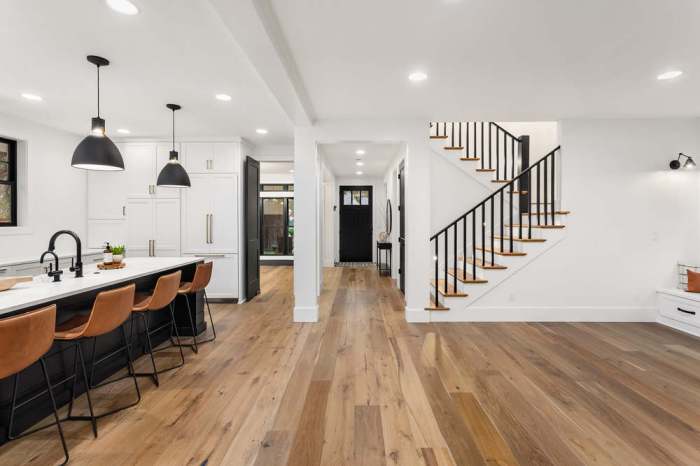
As we conclude our exploration of the best flooring for home remodel, it's clear that the right flooring choice can transform a space. By understanding the factors to consider, popular options available, installation processes, and maintenance requirements, you're well-equipped to make an informed decision that enhances both the beauty and functionality of your home.
FAQ Corner
Which flooring material is best for high-traffic areas?
Hardwood and laminate flooring are excellent choices for high-traffic areas due to their durability and easy maintenance.
What type of flooring is recommended for moisture-prone spaces like bathrooms?
Tile flooring is the ideal option for moisture-prone spaces as it is water-resistant and easy to clean.
Is professional installation necessary for all types of flooring?
While some flooring materials like hardwood may require professional installation for optimal results, others like laminate can be installed as a DIY project.


