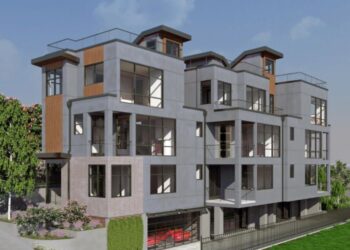
Delving into the realm of global siding and roofing unveils a dynamic industry filled with innovation and challenges. From the latest trends to the key players shaping the market, this topic offers a comprehensive look at the diverse landscape of construction materials.
Overview of Global Siding and Roofing Industry
The global siding and roofing industry encompasses a wide range of materials, technologies, and construction practices that play a crucial role in the building sector. As the demand for sustainable and energy-efficient solutions continues to grow, the industry is witnessing significant transformations and innovations to meet these evolving needs.
Current Landscape of the Industry
The global siding and roofing market is experiencing steady growth, driven by increasing construction activities across residential, commercial, and industrial sectors. Emerging economies are becoming key players in the industry, with rising urbanization and infrastructure development projects fueling demand for quality siding and roofing materials.
- Rapid urbanization leading to a surge in construction activities
- Focus on energy-efficient and environmentally friendly building solutions
- Advancements in technology enhancing durability and performance
Key Trends and Developments
Innovations in materials and manufacturing processes are shaping the future of the siding and roofing industry. The adoption of smart technologies, such as integrated solar panels and green roofs, is gaining momentum, offering sustainable and cost-effective solutions for modern buildings.
"The shift towards sustainable and resilient building practices is driving the demand for innovative siding and roofing solutions."
Major Players and Market Share
The global siding and roofing sector is characterized by the presence of several key players dominating the market. Companies like CertainTeed Corporation, Owens Corning, and James Hardie Industries are leading the industry with a significant market share, offering a wide range of products and services to meet diverse customer needs.
- CertainTeed Corporation: Known for its high-quality vinyl siding and roofing products
- Owens Corning: Specializes in fiberglass insulation and composite materials for superior performance
- James Hardie Industries: Renowned for its fiber cement siding solutions with excellent durability and aesthetics
Types of Siding Materials
When it comes to siding materials, there are several options available globally, each with its own set of pros and cons. Let's explore some of the most commonly used siding materials and their characteristics.
Vinyl Siding
- Pros:
- Low maintenance and easy to clean
- Wide range of colors and styles available
- Affordable option for many homeowners
- Cons:
- Prone to cracking and fading over time
- Not as environmentally friendly as other materials
- May not withstand extreme weather conditions
Wood Siding
- Pros:
- Natural and timeless aesthetic appeal
- Durable and can last for decades with proper maintenance
- Can be painted or stained to change the look
- Cons:
- Requires regular maintenance such as painting or staining
- Potential for rot, mold, and insect damage
- Higher cost compared to some other materials
Fiber Cement Siding
- Pros:
- Durable and resistant to fire, rot, and insects
- Low maintenance and long-lasting
- Available in a variety of textures and colors
- Cons:
- Higher initial cost compared to vinyl or wood
- Requires professional installation due to weight and fragility
- Can be brittle and prone to chipping or cracking
Metal Siding
- Pros:
- Extremely durable and long-lasting
- Resistant to fire, rot, and insects
- Can be recycled at the end of its lifespan
- Cons:
- May dent or scratch easily
- Can be noisy during heavy rain or hailstorms
- Higher upfront cost compared to some other materials
Considering the environmental impact of siding materials, it's essential to weigh the sustainability of each option. While vinyl and metal may not be as eco-friendly, wood and fiber cement offer more sustainable choices. Homeowners should also factor in factors like energy efficiency, recyclability, and longevity when selecting siding materials for their homes.
Roofing Systems Around the World
Roofing systems vary greatly across the globe, reflecting the diverse climates and architectural traditions of different regions. From the flat roofs commonly found in arid regions to the pitched roofs prevalent in areas with heavy snowfall, each type of roofing system serves a specific purpose based on environmental factors.
Flat Roofs
Flat roofs are commonly seen in regions with low precipitation, such as the Middle East and parts of North Africa. These roofs are designed to provide a simple and cost-effective solution for areas where rain is infrequent. However, they require proper drainage systems to prevent water pooling and leaks.
Pitched Roofs
Pitched roofs are popular in areas with heavy snowfall or rainfall, such as Scandinavia and parts of North America. The steep angle of pitched roofs allows for efficient water runoff and prevents the accumulation of snow, reducing the risk of structural damage.
These roofs often feature durable materials like slate or clay tiles.
Green Roofs
Green roofs, also known as living roofs, are becoming increasingly popular in urban areas worldwide. These roofs are covered with vegetation, providing insulation, reducing energy costs, and improving air quality. Green roofs are particularly beneficial in combating the urban heat island effect and promoting biodiversity.
Innovative Roofing Technologies
Advancements in roofing technologies have led to the development of innovative materials that offer improved durability, energy efficiency, and sustainability. Solar panels integrated into roofing systems are gaining popularity for renewable energy generation, while cool roof coatings help reduce heat absorption and lower cooling costs.
Installation and Maintenance Practices
Installing siding and roofing systems correctly is crucial to ensure the longevity and performance of the building. Proper maintenance practices also play a key role in preserving the integrity of these structures over time.
Best Practices for Installation
- Ensure proper surface preparation before installing siding or roofing materials to prevent moisture issues.
- Follow manufacturer's guidelines and specifications for installation to guarantee optimal performance.
- Use high-quality fasteners and adhesives to secure the materials in place effectively.
- Consider environmental factors such as wind, rain, and temperature fluctuations during the installation process.
- Regularly inspect the installation work to identify any issues or defects early on.
Common Challenges and Solutions
- One common challenge during installation is poor weather conditions, which can delay the process. Contractors can schedule installations during favorable weather or use temporary covers to protect the work area.
- Another challenge is improper installation techniques leading to leaks or structural damage. Training and supervision of installers can help mitigate this risk.
- Maintaining a clean and organized work environment can prevent accidents and ensure a smooth installation process.
Maintenance Requirements
- Regularly clean siding and roofing surfaces to remove dirt, debris, and mold that can compromise their integrity.
- Inspect for signs of damage, such as cracks, leaks, or missing shingles, and address them promptly to prevent further deterioration.
- Trim overhanging branches and vegetation near the roof to prevent damage from falling debris or pests.
- Check and maintain the integrity of seals, flashing, and caulking to prevent water infiltration and ensure a watertight seal.
Ultimate Conclusion
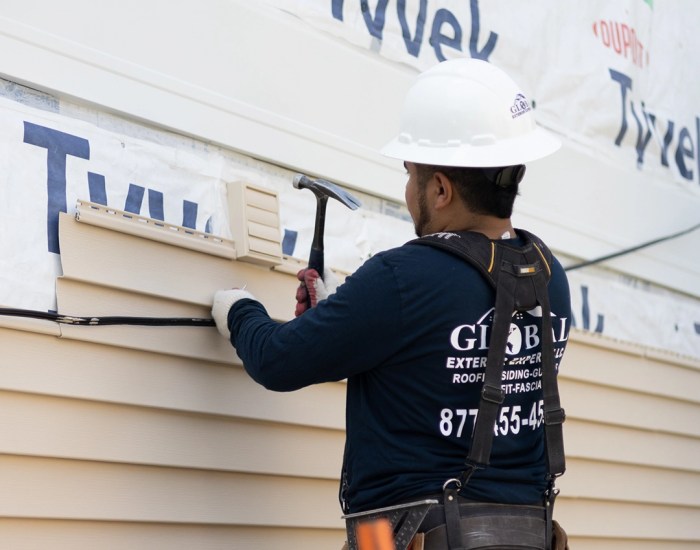
In conclusion, global siding and roofing present a fascinating blend of tradition and modernity, with sustainability at the forefront of industry practices. As we navigate through the nuances of different materials and installation techniques, the future of construction seems bright and promising.
General Inquiries
What are the most commonly used siding materials globally?
Commonly used siding materials include vinyl, wood, fiber cement, and metal, each with its own set of advantages and disadvantages.
What are the differences between flat roofs, pitched roofs, and green roofs?
Flat roofs are common in urban areas, pitched roofs offer better drainage, and green roofs provide environmental benefits and insulation.
What are some innovative roofing technologies being adopted internationally?
International adoption of innovative roofing technologies includes solar panels, cool roofs, and advanced insulation materials for energy efficiency.