Natural wood siding houses exude charm and character, adding a touch of warmth to any home. From the durability to the aesthetic appeal, there's much to discover about this timeless siding option. Let's delve into the world of natural wood siding houses and uncover the secrets behind their enduring popularity.
As we delve deeper into the realm of natural wood siding houses, we will unravel the intricacies of the different wood types, installation methods, finishes, and more, providing you with a comprehensive guide to this classic architectural choice.
Benefits of Natural Wood Siding
Natural wood siding offers a range of benefits that make it a popular choice for homeowners.
Durability of Natural Wood Siding
One of the key advantages of natural wood siding is its durability. When properly maintained, natural wood siding can last for decades, providing a long-lasting and reliable option for your home's exterior.
Aesthetic Appeal of Natural Wood Siding
Natural wood siding adds a timeless and elegant look to any home. The rich textures and natural colors of wood create a warm and inviting atmosphere, enhancing the overall curb appeal of your property.
Environmental Advantages of Using Natural Wood Siding
Choosing natural wood siding can have environmental benefits as well. Wood is a renewable resource, making it a more sustainable option compared to other siding materials. Additionally, wood siding is biodegradable and can be recycled, reducing the environmental impact of your home's exterior.
Types of Wood Used in Siding
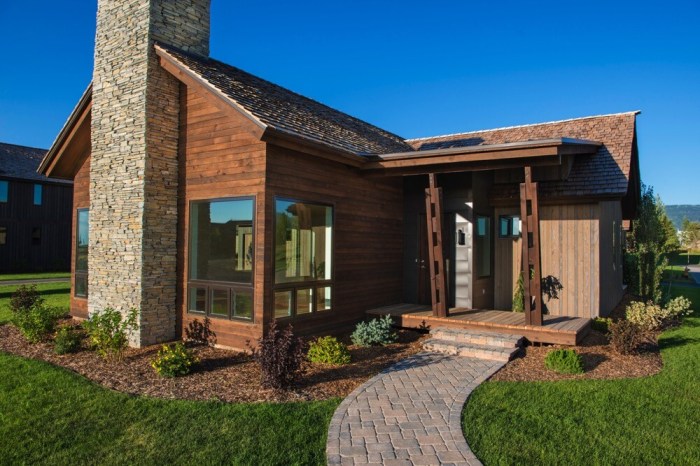
When it comes to natural wood siding, there are several popular wood species commonly used in the construction industry. Let's explore the characteristics and maintenance requirements of cedar, redwood, and pine for siding applications.
Cedar
Cedar is a popular choice for wood siding due to its natural resistance to decay and insects. It has a beautiful grain pattern and is lightweight, making it easy to work with during installation. However, cedar siding requires regular maintenance such as staining or painting to protect it from the elements.
Redwood
Redwood is another sought-after wood species for siding projects. It is naturally resistant to rot and decay, making it a durable option for exterior applications. Redwood has a rich, reddish-brown color that can add warmth and character to a home.
Like cedar, redwood siding needs to be properly maintained to prolong its lifespan.
Pine
Pine is a more affordable option for wood siding compared to cedar and redwood. While pine is not as naturally resistant to decay as cedar or redwood, it can still be a great choice when properly treated and maintained. Pine siding may require more frequent maintenance, such as staining or sealing, to protect it from moisture and pests.
Installation Methods and Techniques
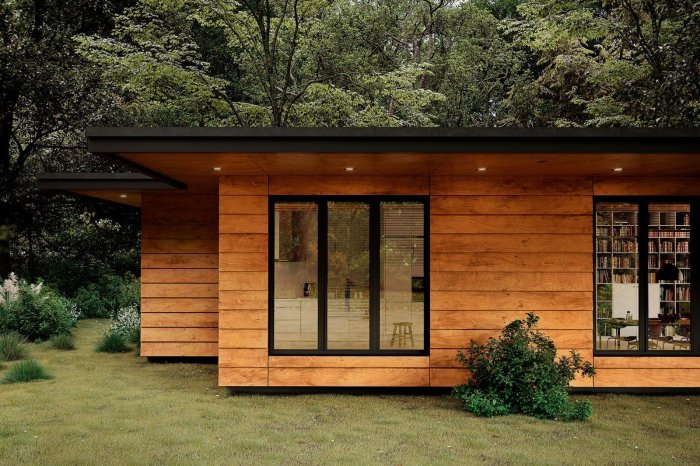
Installing natural wood siding requires careful attention to detail and the use of proper techniques to ensure a successful outcome. Proper ventilation during installation is crucial to prevent moisture buildup and maintain the integrity of the wood siding. Additionally, having the right tools and equipment on hand is essential for a smooth and efficient installation process.
Step-by-step Installation Process
- Prepare the surface: Clean and inspect the surface where the wood siding will be installed, ensuring it is smooth and free of any debris or damage.
- Apply a weather-resistant barrier: Install a barrier to protect against moisture and ensure the longevity of the wood siding.
- Measure and cut the siding: Carefully measure and cut the wood siding to the appropriate size, ensuring a precise fit.
- Install the siding: Begin at the bottom and work your way up, securing each piece of siding with nails or screws. Make sure to leave a small gap between each piece for expansion and contraction.
- Finish and seal: Once all the siding is installed, apply a protective finish or sealant to enhance the wood's longevity and protect it from the elements.
Importance of Proper Ventilation
Proper ventilation during the installation of natural wood siding is crucial to prevent moisture buildup, which can lead to rot and decay. Adequate ventilation allows air to flow behind the siding, helping to regulate temperature and humidity levels
Tools and Equipment Needed
- Hammer or nail gun: For securing the wood siding in place.
- Saw: For cutting the siding to the appropriate size.
- Level: To ensure the siding is installed straight and level.
- Tape measure: For accurate measurements and cuts.
- Protective gear: Including gloves, goggles, and a mask to protect against dust and debris.
Finishes and Treatments for Natural Wood Siding
When it comes to natural wood siding, choosing the right finish or treatment can make a significant difference in the longevity and appearance of your home's exterior. Here, we will explore the benefits of staining versus painting wood siding, eco-friendly finishes, and the importance of regular maintenance.
Benefits of Staining versus Painting Wood Siding
Staining and painting are two popular options for finishing natural wood siding. While both options offer protection against the elements, there are distinct differences between the two.
- Staining: Staining allows the natural beauty of the wood grain to show through while providing a protective barrier against moisture and UV rays. It tends to require less maintenance than painting and can be easier to touch up over time.
- Painting: Painting offers a wider range of color options and can provide a more uniform appearance. However, paint may require more maintenance over time, as it can chip or peel, especially in areas with high sun exposure or harsh weather conditions.
Identify Eco-Friendly Finishes for Natural Wood Siding
For those looking to minimize their environmental impact, there are several eco-friendly finishes available for natural wood siding.
- Water-based Finishes: Water-based stains and paints are generally considered more environmentally friendly than their solvent-based counterparts. They emit fewer volatile organic compounds (VOCs) and are easier to clean up.
- Natural Oils: Natural oils, such as linseed oil or tung oil, can be used to finish wood siding. These oils penetrate the wood to provide protection and enhance the wood's natural beauty without the use of harsh chemicals.
Importance of Regular Maintenance and Reapplication of Finishes
Regardless of the type of finish you choose, regular maintenance is essential to prolong the life of your natural wood siding.
- Cleaning: Regularly cleaning your siding can help prevent the buildup of dirt, mold, and mildew, which can deteriorate the finish over time.
- Inspection: Periodically inspecting your siding for signs of wear or damage can help you catch any issues early and prevent more extensive repairs.
- Reapplication: Depending on the finish you choose, you may need to reapply the finish every few years to maintain its protective properties and keep your siding looking its best.
Closure
In conclusion, natural wood siding houses offer a blend of functionality and beauty that stands the test of time. Whether you're drawn to the eco-friendly advantages or the variety of finishes available, embracing natural wood siding can truly transform your home into a stunning masterpiece.
Explore the possibilities and elevate your living space with the timeless elegance of natural wood siding houses.
Essential FAQs
Is natural wood siding durable?
Yes, natural wood siding is known for its durability and can last for decades with proper maintenance.
What are the popular wood species used for natural wood siding?
Popular wood species for siding include cedar, redwood, and pine, each with unique characteristics and benefits.
Do I need special tools for installing natural wood siding?
Yes, you may need tools like a nail gun, saw, level, and more for a successful wood siding installation.
How often should finishes be reapplied on natural wood siding?
It is recommended to reapply finishes on natural wood siding every few years to maintain its beauty and protection.