

Kicking off with structural repair contractors, this comprehensive guide delves into their crucial role in the construction industry. From the importance of hiring professional contractors to examples of common repair projects, this overview sets the stage for a deep dive into this specialized field.
Overview of Structural Repair Contractors
Structural repair contractors play a crucial role in the construction industry by specializing in repairing and restoring the structural integrity of buildings and other structures. They are trained professionals with expertise in identifying, assessing, and fixing various structural issues that may arise due to age, weather conditions, or other factors.
Importance of Hiring Professional Contractors
Professional contractors are essential for structural repair work as they have the knowledge, experience, and tools required to effectively address complex structural issues. Hiring professional contractors ensures that the repairs are done correctly, following industry standards and regulations, to guarantee the safety and longevity of the structure.
Common Structural Repair Projects
- Foundation repairs: Contractors address issues such as cracks, settlement, or shifting in the foundation to stabilize the structure.
- Crack repairs: Contractors repair cracks in walls, floors, or ceilings to prevent water infiltration and further damage.
- Structural reinforcement: Contractors strengthen weakened or damaged structural elements to enhance the overall stability of the building.
- Roof repairs: Contractors fix issues like leaks, sagging, or damaged roof components to maintain the integrity of the building's structure.
Qualifications and Certifications
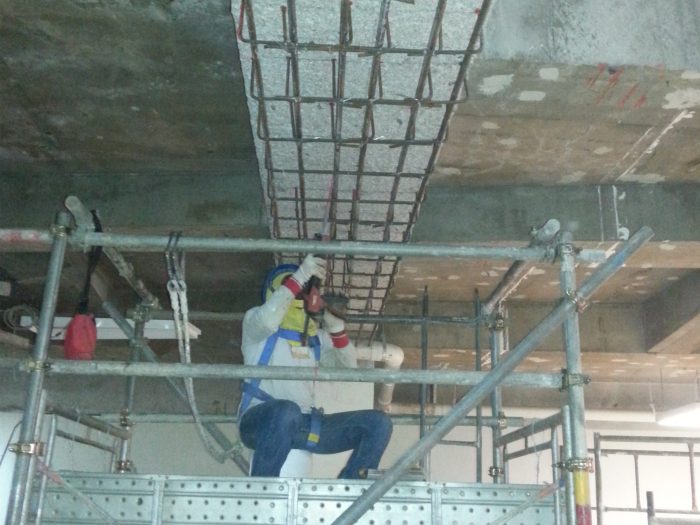
To become a structural repair contractor, individuals need to possess specific qualifications and certifications to ensure they have the necessary skills and knowledge to perform the job effectively.
Qualifications Required
- A high school diploma or equivalent is typically required to begin a career as a structural repair contractor.
- Some contractors may pursue a degree in civil engineering or construction management to enhance their knowledge and expertise in the field.
Certifications Available
Certifications play a crucial role in validating the skills and expertise of structural repair contractors. Some of the certification programs available for aspiring contractors include:
- National Association of Home Builders (NAHB) Certified Graduate Remodeler (CGR)
- Structural Repair Association (SRA) Certification Program
- International Concrete Repair Institute (ICRI) Concrete Repair Technician Certification
Ongoing Training and Education
Continuing education and training are essential for structural repair contractors to stay updated on the latest trends, techniques, and technologies in the industry. This ongoing learning helps contractors improve their skills and deliver high-quality services to their clients.
Structural Repair Techniques
Structural repair contractors utilize a variety of techniques to address damage in buildings, ensuring the safety and stability of the structure. These techniques are tailored to the specific needs of each project and the type of damage encountered.
Reinforcement Techniques
- Carbon Fiber Reinforcement: This technique involves applying carbon fiber sheets to strengthen and stabilize concrete structures, such as beams, columns, and walls. It is lightweight, durable, and minimally invasive.
- Epoxy Injection: Epoxy is injected into cracks and voids in concrete to restore structural integrity. This method is effective in repairing foundation cracks and preventing further damage.
- Steel Plate Bonding: Steel plates are bonded to damaged concrete elements to increase load-bearing capacity and enhance structural strength. This technique is commonly used in bridge repairs and strengthening projects.
Restoration Techniques
- Shotcrete Repair: Shotcrete is a spray-applied concrete material used to repair and restore deteriorated concrete surfaces. It provides a cost-effective solution for repairing spalling and damaged concrete structures.
- Grouting: Grout is injected into voids and cavities within masonry walls and structures to fill gaps and improve structural stability. This technique is essential for addressing settlement and alignment issues.
- Re-pointing: Re-pointing involves replacing deteriorated mortar joints in brick or stone masonry walls to improve structural integrity and prevent water infiltration. It is crucial for maintaining the stability of historic buildings.
Specialized Techniques
- Helical Pile Installation: Helical piles are screwed into the ground to provide foundation support for structures experiencing settlement or subsidence. This technique is ideal for addressing soil instability and supporting heavy loads.
- Thermal Imaging: Thermal imaging technology is used to detect hidden defects and moisture intrusion in building materials. It helps identify structural issues early on and prevent further damage.
- Structural Lifting: Hydraulic jacking systems are employed to lift and re-level sunken or sagging structures, restoring them to their original position and preventing structural failure.
Materials and Equipment
When it comes to structural repair projects, contractors rely on a variety of essential materials and equipment to ensure the job is done efficiently and effectively. These materials and equipment play a crucial role in the overall success of the repair work, allowing contractors to address structural issues and restore the integrity of buildings and other structures.
Essential Materials and Equipment
- Concrete: Widely used for structural repairs, concrete is durable and provides strength and stability to damaged structures.
- Steel reinforcement: Used to enhance the tensile strength of concrete structures and prevent further damage.
- Epoxy resins: Ideal for bonding and sealing cracks in concrete and masonry, providing structural support.
- Carbon fiber reinforcement: A lightweight and high-strength material used to reinforce structures and prevent structural failure.
- Grout: Used to fill voids and repair damaged concrete, providing additional support and stability.
Comparison of Different Types of Materials
- Concrete vs. Epoxy resins: Concrete is ideal for larger structural repairs, while epoxy resins are more suitable for smaller, localized repairs.
- Steel reinforcement vs. Carbon fiber reinforcement: Steel reinforcement is heavier but provides higher strength, while carbon fiber reinforcement is lightweight and easier to install.
Advancements in Materials and Equipment
- High-performance concrete: New formulations of concrete offer increased strength and durability, improving the longevity of structural repairs.
- Advanced injection systems: Injecting epoxy resins and grouts into cracks and voids with precision has become easier and more efficient, leading to better repair outcomes.
- 3D scanning and imaging technology: Allows contractors to accurately assess structural damage and plan repairs more effectively, reducing errors and enhancing overall project efficiency.
Safety Protocols and Regulations
When it comes to structural repair projects, safety protocols and regulations play a crucial role in ensuring the well-being of workers and the public. It is essential for structural repair contractors to follow specific guidelines to prevent accidents and maintain compliance with building codes.
Importance of Adhering to Building Codes
Adhering to building codes and regulations is crucial in structural repair projects to ensure the structural integrity and safety of buildings. Failure to comply with these codes can lead to structural failures, putting the lives of workers and the public at risk.
By following building codes, contractors can guarantee that the repairs are done correctly and safely.
Safety Measures for Workers and the Public
Providing proper training
Structural repair contractors must ensure that their workers are adequately trained in safety procedures and protocols to prevent accidents on the job site.
Using personal protective equipment (PPE)
Workers should wear appropriate PPE, such as hard hats, gloves, and safety glasses, to protect themselves from potential hazards during repair work.
Securing the work area
Contractors must cordon off the work area to prevent unauthorized access and ensure the safety of the public.
Regular inspections
Regular inspections of the work site help identify potential safety hazards and address them promptly to prevent accidents.
Ensuring Public Safety
Contractors also need to consider the safety of the public during structural repair projects. Measures such as installing safety signs, barricades, and warning lights can help alert pedestrians and motorists to potential dangers near the work site. By taking these precautions, contractors can minimize the risk of accidents and ensure the safety of everyone in the vicinity.
Cost Estimation and Project Management
When it comes to structural repair projects, accurate cost estimation and effective project management are crucial for success. Proper planning and budgeting can ensure that the project stays on track and is completed within the specified timeframe. Here, we will delve into the process of estimating costs for structural repair projects, discuss strategies for efficient project management, and provide tips for contractors to stay within budget and meet project deadlines.
Cost Estimation Process
- Initial Assessment: Conduct a thorough inspection of the structure to identify the extent of the damage and the repairs needed.
- Material and Labor Costs: Calculate the costs of materials, equipment, and labor required for the repair work.
- Contingency Fund: Set aside a contingency fund for unexpected expenses or additional repairs that may arise during the project.
- Quote Comparison: Obtain quotes from multiple suppliers and contractors to ensure competitive pricing.
- Final Budget: Prepare a detailed budget outlining all costs involved in the project, including permits and inspections.
Effective Project Management Strategies
- Timeline Planning: Develop a realistic timeline with clear milestones to track progress throughout the project.
- Communication: Maintain open communication with the project team, subcontractors, and clients to address any issues promptly.
- Risk Management: Identify potential risks and develop mitigation strategies to minimize disruptions to the project.
- Quality Control: Implement quality control measures to ensure that the repairs meet industry standards and client expectations.
- Document Management: Keep detailed records of all project-related documents, including contracts, permits, and change orders.
Tips for Staying Within Budget and Meeting Deadlines
- Regular Budget Reviews: Monitor expenses regularly to identify any cost overruns and make adjustments as needed.
- Resource Allocation: Allocate resources efficiently to optimize productivity and minimize wastage.
- Proactive Problem-Solving: Address issues promptly to prevent delays and keep the project on schedule.
- Client Communication: Keep the client informed of progress and any changes that may impact the budget or timeline.
- Continuous Improvement: Learn from past projects to improve cost estimation accuracy and project management efficiency.
Ending Remarks
In conclusion, understanding the world of structural repair contractors is key to ensuring safe and reliable construction projects. From techniques and materials to safety protocols and project management, this guide equips you with the knowledge needed to navigate this vital aspect of construction.
Top FAQs
What qualifications are needed to become a structural repair contractor?
To become a structural repair contractor, individuals typically need a combination of relevant education, training, and certifications in construction and repair work.
What are some innovative repair methods used by structural repair contractors?
Structural repair contractors may utilize advanced techniques like carbon fiber reinforcement and epoxy injection to address specific structural issues effectively.
How do contractors ensure safety during repair projects?
Contractors prioritize safety by following strict protocols, providing proper training to workers, and adhering to building codes and regulations to protect both their team and the public.


