

Why Black Interior Cars Are Trending Among Millennials delves into the rising popularity of dark interiors in the automotive industry among the younger generation. From the allure of sleek aesthetics to the integration of cutting-edge technology, this topic uncovers the reasons behind millennials' preference for black interiors with a fresh perspective.
As we explore the various aspects of this trend, a deeper understanding of why black interior cars are capturing the attention of millennials will come to light, shedding insight on the intersection of style, psychology, and sustainability in the automotive world.
Why Black Interior Cars Are Trending Among Millennials
The appeal of black interiors in cars has been on the rise, especially among millennials. Let's delve into the reasons behind this trend.
Black Interiors Appeal to Millennials
Black interiors have a sleek and modern aesthetic that resonates well with the style preferences of millennials. The clean and sophisticated look of black upholstery and trim adds a touch of luxury to the overall design of the car, which appeals to the younger generation.
Contribution to Aesthetics and Style Preferences
Black interiors create a sense of elegance and timelessness, making the car look more premium and upscale. Millennials are drawn to the classic and versatile nature of black, as it can easily complement different exterior colors and personal styles. This versatility allows for customization and individual expression, which is highly valued by millennials.
Popularity Among Millennials
Compared to other color options, black interiors are gaining popularity among millennials due to their ability to enhance the overall visual appeal of the car. While traditional colors like beige and grey are still popular, black interiors offer a modern and sophisticated look that aligns with the preferences of the younger demographic.
As millennials seek vehicles that reflect their sense of style and identity, black interiors have become a preferred choice in the automotive industry.
Psychological Factors Influencing Millennials’ Preference for Black Interiors
Black interior cars have become increasingly popular among millennials due to various psychological factors that appeal to this demographic. The color black holds a unique significance and can evoke specific emotions and perceptions that resonate with millennials, influencing their preference for black interiors.
Association with Luxury and Sophistication
- Black is often associated with luxury, elegance, and sophistication, creating a sense of exclusivity and prestige for millennials who choose cars with black interiors.
- The sleek and timeless look of black interiors can make millennials feel like they are driving a high-end vehicle, even if the car itself is more budget-friendly.
Minimalist and Modern Appeal
- Black interiors offer a minimalist and modern aesthetic that aligns with the preferences of millennials who appreciate clean lines and simplicity in design.
- The understated elegance of black interiors can create a sense of calm and focus, providing a distraction-free driving experience for millennials who value mindfulness and clarity.
Cultural Influences and Trends
- Pop culture, fashion trends, and social media play a significant role in shaping millennials' preferences, with black interiors often portrayed as stylish and sophisticated in media and advertising.
- Black is a versatile color that can easily complement a wide range of personal styles and preferences, making it a popular choice among millennials who value individuality and self-expression.
Technology Integration in Black Interior Cars for Millennials
As millennials are known for their affinity towards technology, car manufacturers have started integrating innovative tech features into black interior designs to appeal to this tech-savvy generation.
Innovative Tech Elements in Modern Black Interior Cars
- Integration of touchscreen infotainment systems that offer seamless connectivity with smartphones for music streaming, navigation, and hands-free calling.
- Advanced driver-assist technologies like lane departure warning, adaptive cruise control, and parking assist systems to enhance safety and convenience.
- Wireless charging pads and USB ports strategically placed within the black interior for easy access and charging of electronic devices.
- Smart ambient lighting systems that can be customized to create different moods and enhance the overall driving experience.
Comparison of Tech-Savvy Features in Black Interiors with Other Color Options
- Black interiors often provide a sleek and modern backdrop for technology integration, making the tech features stand out more prominently compared to lighter interior colors.
- The contrast between the black interior and the illuminated tech elements creates a visually appealing and futuristic look that resonates well with millennials.
- While other color options may also offer similar tech features, the overall aesthetic appeal and perceived sophistication of black interiors make them a preferred choice among millennials.
Sustainability and Eco-Friendliness of Black Interior Materials
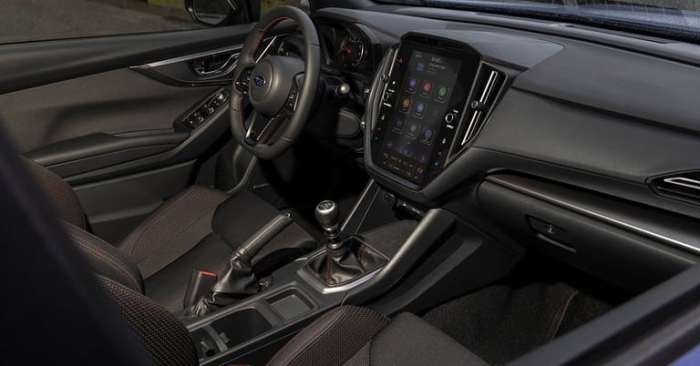
The choice of materials used in black interior cars plays a significant role in addressing millennials' growing concern for sustainability and eco-friendliness. As this generation becomes more environmentally conscious, automakers are adapting by incorporating sustainable materials into their black interiors.
Use of Recycled Materials
- Many car manufacturers are now utilizing recycled materials in the production of black interior components such as seats, door panels, and trim pieces.
- Recycled plastics, fabrics, and leather alternatives are being used to reduce the environmental impact of manufacturing new materials.
- This shift towards recycled materials not only decreases waste but also decreases the demand for new resources, aligning with millennials' values of reducing their carbon footprint.
Vegetable-Tanned Leather
- Some black interior cars feature seats made from vegetable-tanned leather, which is an eco-friendly alternative to traditional leather production methods.
- Vegetable-tanned leather uses natural tannins found in plants instead of harmful chemicals, making it a more sustainable option for environmentally conscious millennials.
- This type of leather is biodegradable and reduces the pollution associated with conventional leather production processes.
Energy-Efficient Manufacturing Processes
- Automakers are also focusing on energy-efficient manufacturing processes for black interior materials, reducing the carbon emissions and energy consumption associated with production.
- By implementing innovative technologies and sustainable practices, car manufacturers can minimize their environmental impact while meeting the demand for black interior cars among millennials.
- These energy-efficient processes not only benefit the environment but also contribute to the overall sustainability of the automotive industry.
Final Thoughts
In conclusion, the fascination with black interior cars among millennials goes beyond mere aesthetics, encompassing psychological, technological, and environmental considerations. As the automotive industry continues to evolve, the allure of black interiors for the younger demographic is a trend worth watching, reflecting not just personal preferences but also broader societal shifts towards innovation and sustainability.
Question & Answer Hub
Why do millennials prefer black interior cars?
Millennials are drawn to black interiors for their sleek and modern look, which aligns with their style preferences. Additionally, black interiors are seen as timeless and sophisticated, appealing to the aesthetic sensibilities of this demographic.
How do black interiors integrate technology to attract millennials?
Black interiors often feature advanced tech elements like touchscreen displays, smartphone connectivity, and voice control systems, catering to millennials' desire for cutting-edge features in their vehicles.
Are black interior cars environmentally friendly?
Many black interior cars now use sustainable materials like recycled plastics, eco-friendly leather alternatives, and energy-efficient components, aligning with millennials' growing eco-conscious mindset.


